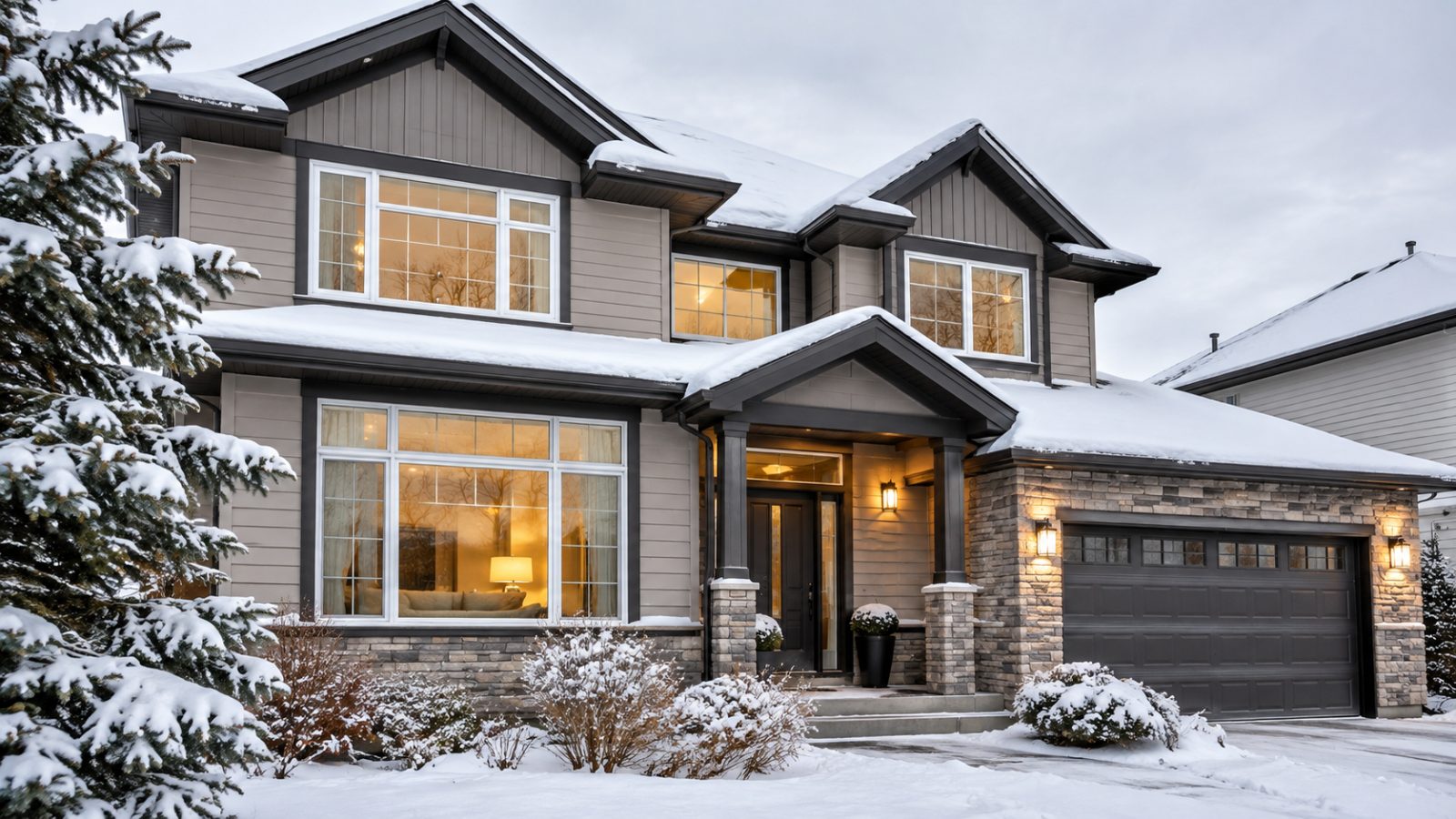
A Quieter Indoor Environment
Noise Reduction Windows for Your Leduc Home
Discuss unwanted outdoor noise. Get a Free Estimate
Outdoor sound can interfere with sleeping, working from home and relaxing indoors. In the Leduc region, proximity to major roads, railway corridors and Edmonton International Airport can make acoustic window performance an important consideration for some properties.
Replacing windows with suitable acoustic assemblies may reduce the amount of outside noise entering a room. Results depend on the sound source, existing construction, selected glazing and installation details.
No ordinary residential window can guarantee complete silence. The aim is to identify practical improvements that address the sounds causing the greatest disruption in your home.
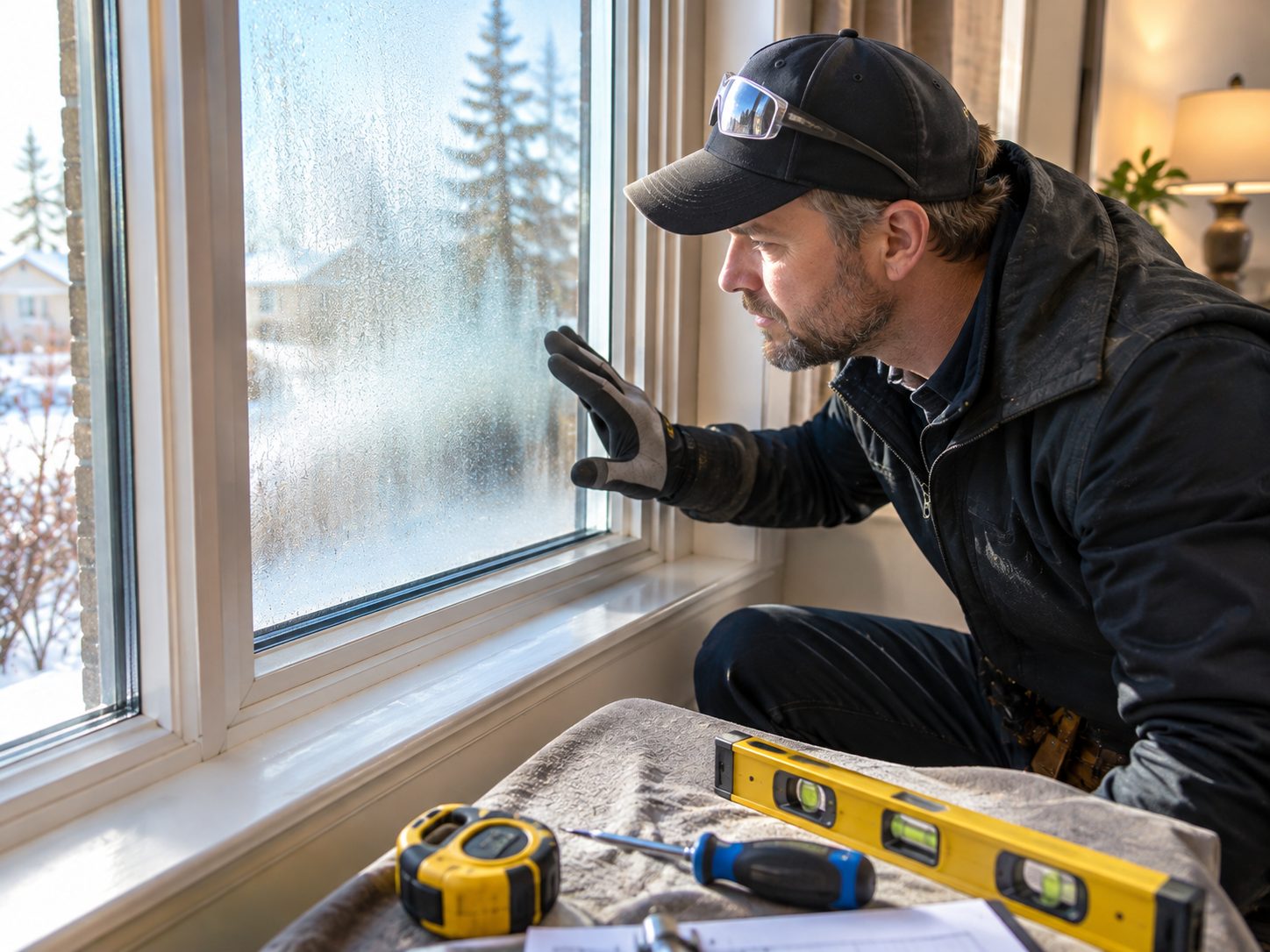
Effective acoustic improvements require attention to the glass, frame and gaps surrounding the window. Different sound frequencies may also respond differently to particular glazing configurations.
Laminated glass contains layers of glass bonded together with an interlayer. Certain laminated constructions are designed to dampen vibration and improve sound insulation. They can be useful components of a window assembly intended to reduce outdoor noise. The acoustic properties depend on the complete construction of the glazing. Laminated glass should therefore be considered alongside cavity dimensions, pane thickness and frame design. Ask for relevant performance data rather than relying on general descriptions such as soundproof glass.
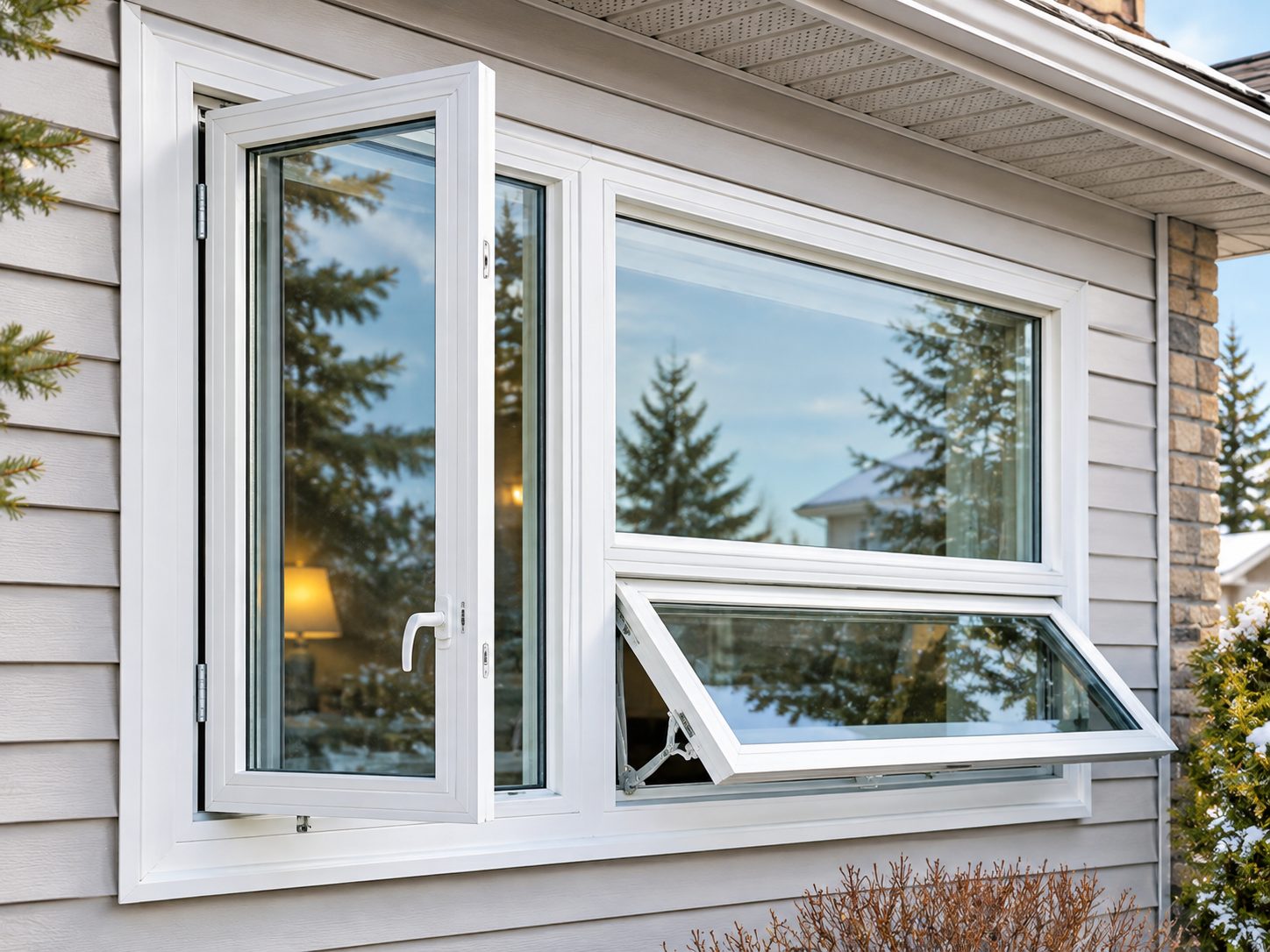
Glazing assemblies that use panes of different thicknesses can help manage sound transmission across a broader range of frequencies. Identical panes may respond similarly to certain frequencies, while an asymmetric arrangement can change the acoustic behaviour of the assembly. The best configuration depends on the particular sound problem and the constraints of the proposed window. Triple glazing selected primarily for thermal insulation is not automatically the strongest acoustic option. It is important to compare specifications intended for the actual noise concern.
Small gaps around a window can allow sound to pass through even when the glass itself provides effective insulation. Worn weatherstripping, poor sash alignment and incomplete sealing around the frame can reduce the benefit of acoustic glazing. The contractor can inspect accessible joints and operating components to determine whether the replacement needs to address these pathways. Appropriate perimeter detailing is essential if the selected glazing is to achieve its intended performance within the home.
Sound Transmission Class and Outdoor-Indoor Transmission Class are rating systems used to describe sound insulation performance. They place different emphasis on sound frequencies and can provide useful context when comparing windows for residential noise concerns. A rating for glass alone may not reflect the finished window assembly. Ask whether the available data applies to the complete product and whether the selected operating style has been considered. These ratings help guide comparisons but cannot guarantee an exact indoor noise level.
Windows are only one part of the exterior building envelope. Noise can also enter through exterior doors, ventilation openings, walls, ceilings and other construction details. Upgrading windows may produce a limited improvement if another pathway allows substantial sound into the room. Consider when the noise occurs and where it seems strongest. A useful assessment begins with the affected spaces rather than assuming every window requires an acoustic upgrade. This approach can help direct the project toward the most relevant openings.
Describe whether passing vehicles, aircraft or nearby outdoor activity are interfering with your home.
The contractor can consider glazing characteristics alongside the frame and installation.
Acoustic replacement aims to reduce sound transmission without promising complete silence.
Tell us which outdoor sounds you would like to reduce and connect with a contractor to discuss suitable window configurations.
Free — no obligations
Identify the affected rooms, common sound sources and times when the disruption is most noticeable.
The contractor examines window condition and considers whether gaps or inadequate glazing contribute to the problem.
Discuss suitable pane configurations, operating styles and available sound insulation data.
Confirm the proposed assembly and installation scope directly with the contractor before work proceeds.
Their acoustic performance varies according to glass thickness, spacing and frame construction. A purpose-designed double glazed acoustic unit may perform better than some standard triple glazed units.
Suitable acoustic windows may reduce some aircraft noise entering through the openings. The amount of improvement also depends on the rest of the building and the frequencies involved.
Fixed assemblies avoid the movable sash joints found in operable windows. However, actual sound insulation depends on the complete product and how it is installed.
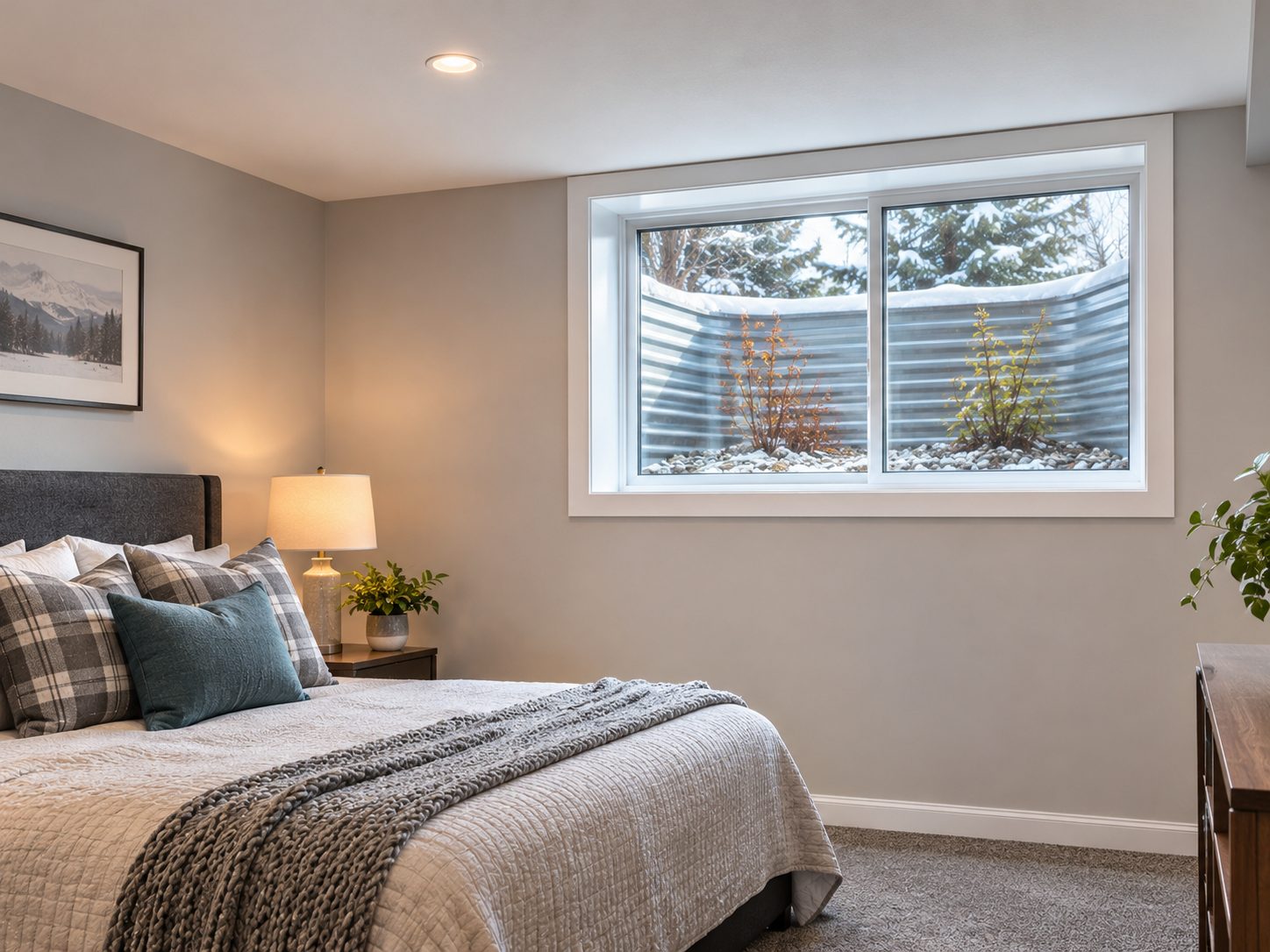
Prioritizing bedrooms can make sense when outdoor sound mainly affects sleep. An assessment can help establish whether those windows are significant sound transmission pathways.